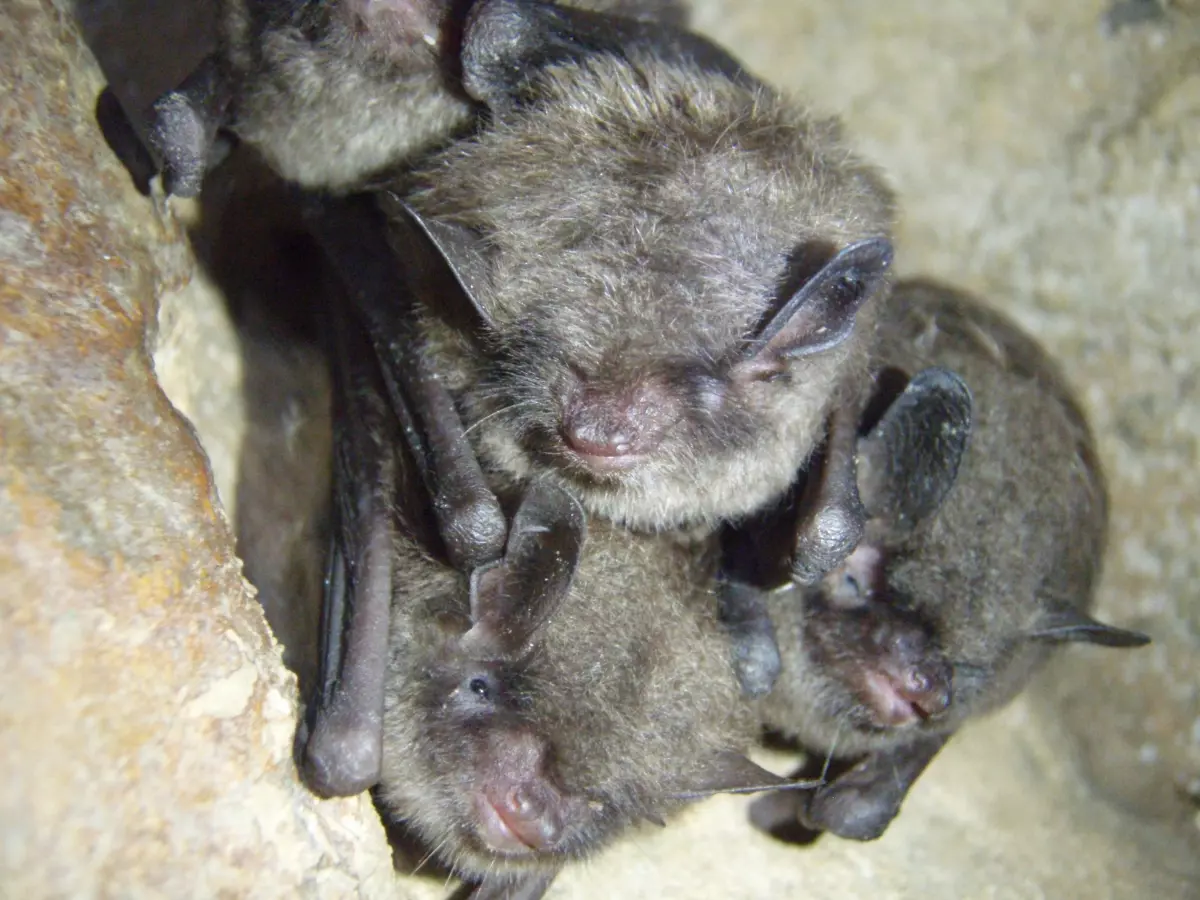
When it comes to conservation, everything is connected. There’s no better example of this than the role of indicator species within an ecosystem. The presence of these species and their well-being or decline provide an early warning system about the greater health of the ecosystem they are a part of. Many indicator species, including several kinds of bats, are threatened or endangered.
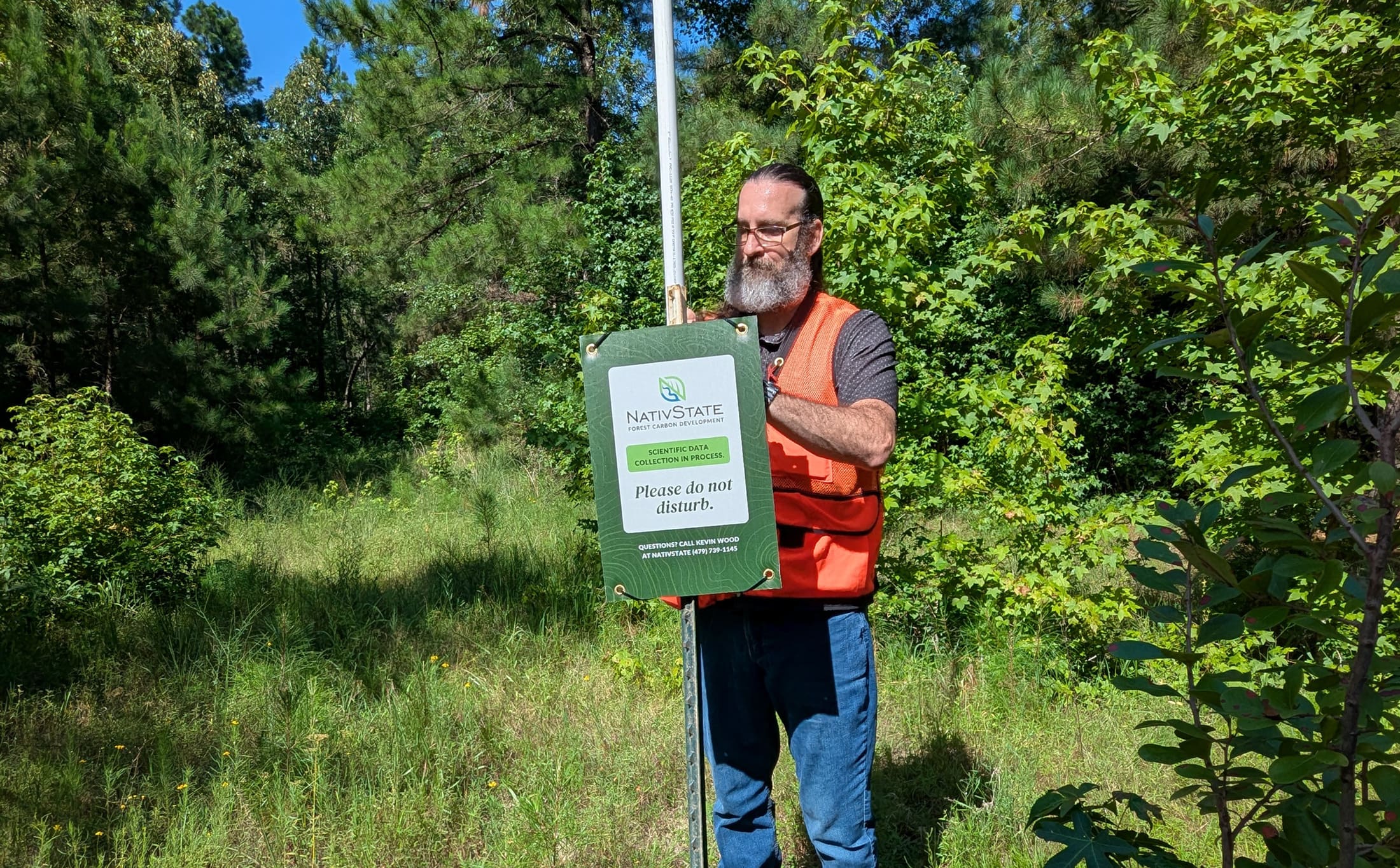
This summer NativState conducted field research focused on three federally endangered bat species: the Northern Long-eared Bat, Indiana Bat and Tri-colored Bat. The project is a partnership with landowners enrolled in NativState projects.
This research plays a critical role in addressing the threats to these endangered species while at the same time verifying the real-world outcomes of our carbon projects, ensuring that co-benefits are not just theoretical, but measurable and meaningful. At the heart of this effort are landowners, whose stewardship decisions directly influence the ecological integrity of forested landscapes.
Why Bats?
Bats are very sensitive to environmental changes and give us insight into ecosystem resilience. A healthy bat population is a good measure of biodiversity. Many bat species today are declining because of poor water quality, habitat fragmentation, and disease. Several NativState projects include potential bat habitat, and the Forest Management Plans for these projects aim to protect biodiversity, adding relevance to this research.
Timing is Essential
Bats are mammals and nurse their young. The mother and her young stay in maternity colonies until mid-August, when the bats mature. By the end of August, the bats will have left the maternity colonies and will begin their migration back to their hibernation sites (hibernacula). Because of this rather tight timeframe, it is important to install sensitive acoustical sensors before the bats leave the maternity colonies.
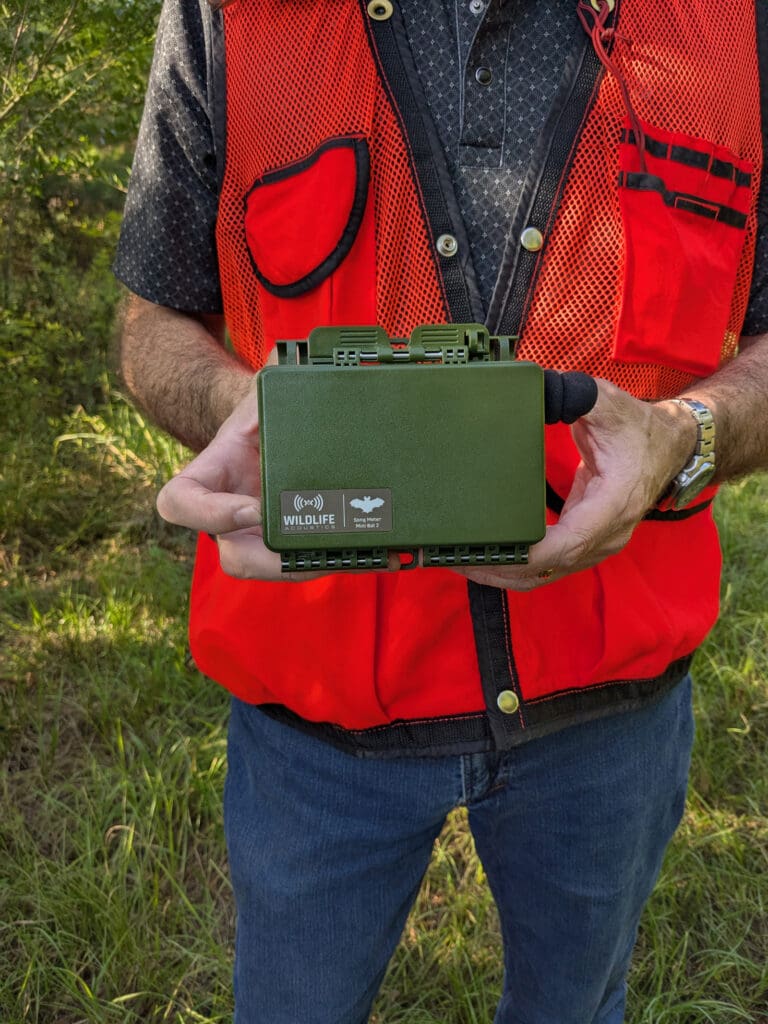
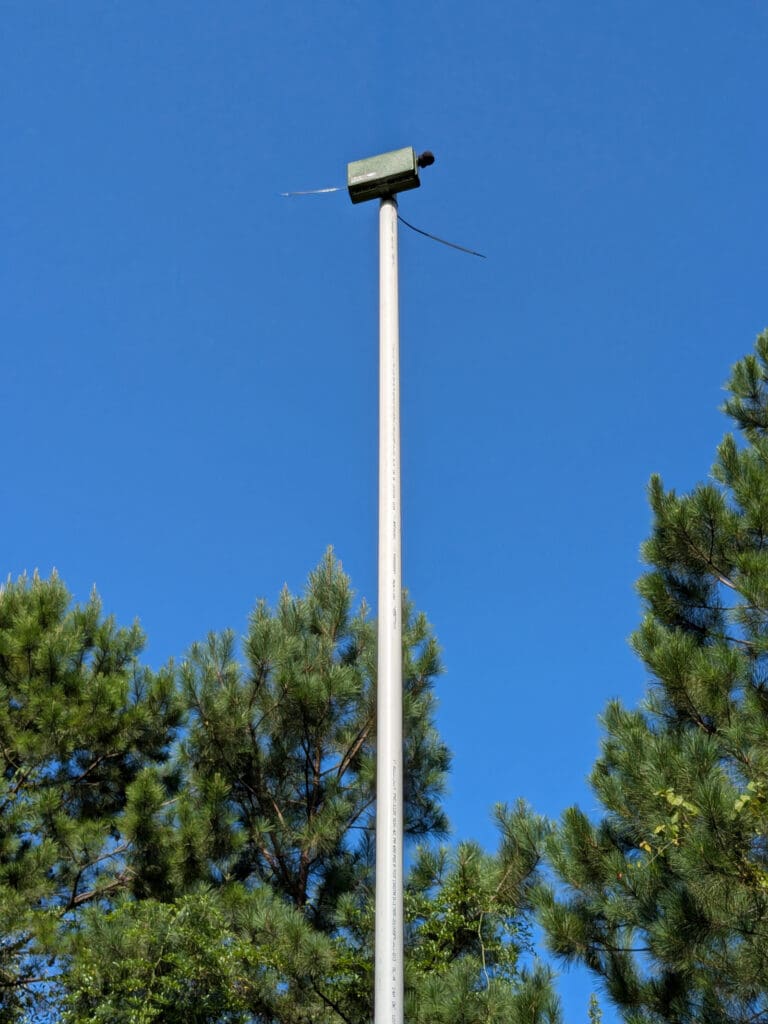
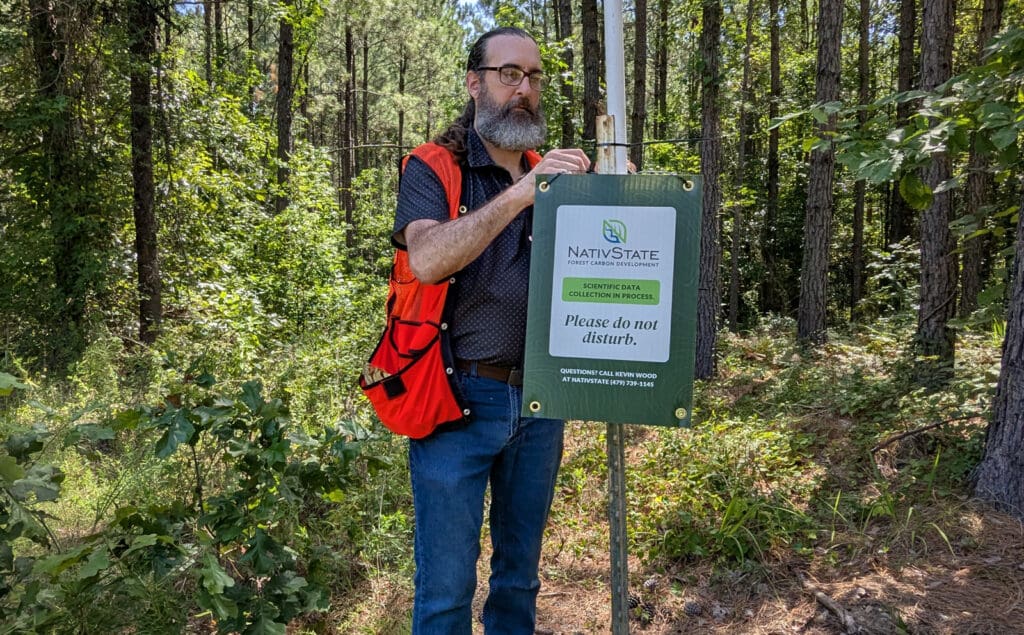
The acoustic monitors look like small army-green boxes, but inside they contain sensitive instruments that identify and record not only bats but also birds. The sensors used in NativState’s research are set to listen and record between dusk and dawn, when bats are most active. They also record birds during the morning hours. The sensors communicate with an app, allowing our wildlife biologist to observe the data trends and make adjustments. GPS coordinates from the placed monitors pinpoint where the bats were identified.
What will the data tell us?
The data collected will be analyzed by location and species. We will learn whether these endangered bat species are present in the areas where the monitors are placed and will help determine where further research is needed. Our results will also be shared with the North American Bat Monitoring Program (NBat), which monitors long term bat population trends across North America .
Landowner Partnership is Essential
The role of private landowners in conservation cannot be understated. Almost 83% of the land in Arkansas is privately owned. Conservation practices on private lands can create habitat and help maintain connectivity between public lands that are managed specifically for threatened and endangered species.
Conserving and managing bat habitats is vital for ensuring the survival of these federally endangered species. NativState projects preserve protect mature forests, maintain riparian zones, safeguard hibernation sites, and minimize threats such as habitat loss – all of which help promote stable and sustainable bat populations.
As landowners implement habitat management recommendations they are contributing to the broader conservation of forested and aquatic ecosystems that support diverse wildlife species.
Next Steps
This summer’s research is just the beginning. The acoustic sensors will be placed in new locations next summer to continue the identification and mapping project. As our research expands, we look forward to better understanding how the conservation practices our landowner partners are implementing are affecting bat populations. Best of all, our data will contribute to the body of scientific research addressing bat conservation thanks to our landowner partners.
- Indiana Bats, Ann Froschauer/USFWS, Public Domain, https://www.fws.gov/media/indiana-bats ↩︎