Carbon Integrity: An Interview with NativState VP of Partnerships Michael Casey Gelnaw
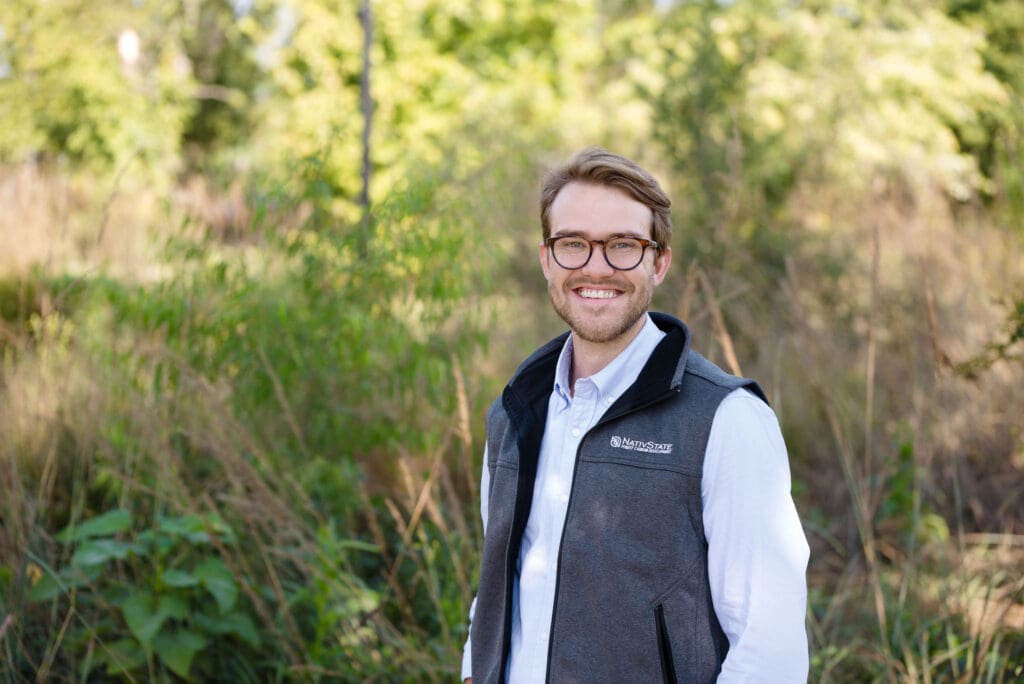
Michael Casey Gelnaw joined NativState in September 2024 as Vice President of Partnerships, bringing a wealth of experience across corporate sustainability, climate, and voluntary carbon markets. Michael started his sustainability career in utility-scale solar & wind project development, partnering with large corporations like Microsoft, Apple, and many more to help them meet their climate commitments through long term offtake agreements.
Last month at Climate Week NYC, Michael weighed in on the most pressing challenges of ensuring carbon project integrity. A panelist on a discussion hosted by Anthesis, Michael unpacked these challenges and shared how NativState is meeting them. Read his key takeaways below.
What are the biggest integrity challenges in nature-based removal projects, and how does NativState address them?
MCG: The most significant integrity challenge for nature-based solutions is substantiating additionality and the “theory of change” between the business-as-usual and project scenario. Developers must answer the question, “Would these forests have remained forests in the absence of carbon revenue?” We address this challenge in two ways.
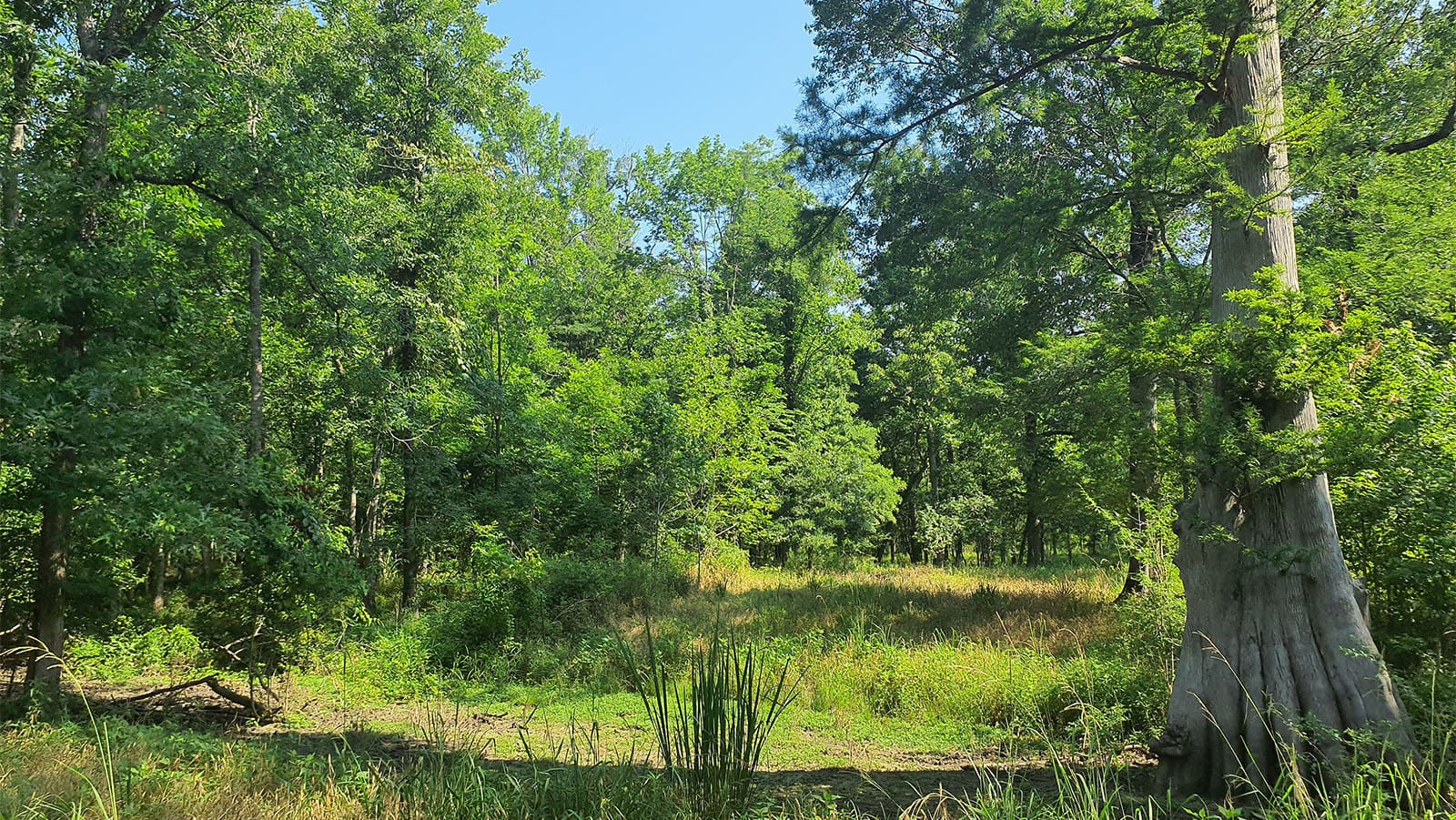
First, NativState focuses on regional additionality. Almost all NativState’s current projects are within the Louisiana Mississippi Alluvial Valley. This region is part of the timber basket of North America, with over 71 percent of national sawmill capacity located in the south-central U.S.
Next, we take a unique approach to project development. From the very beginning of our project development process we specifically identify, engage with, and enroll small landowners who demonstrate well-stocked, financially mature forests. Small landowners in states like Arkansas, Louisiana, and Mississippi frequently use their timber like a savings account. When it reaches financial maturity, they historically have had two economic options: liquidate the timber for revenue or sell the land to a timber investment management organization who then will liquidate the timber.
NativState offers these smaller landowners an alternative they didn’t have before: sustainably managing their forests while earning income from those forests through the VCM.
What are buyers most concerned about today when evaluating integrity? How do you address those concerns?
MCG: Managing reputational risks is a top priority for the newer market entrants, and they are choosing partnerships carefully for that reason. They’re interested in a third-party stamp of approval (Top ratings, CCP labels, ICROA-certified registries) for projects they support.
NativState is CCP tagged under ACR’s newest IFM methodology (v2.1). We’re fully committed to shifting our entire portfolio — including older projects — to the newest methodology. This is partially because it will enable us to get CCP labels attached to those future credits.
More importantly, it’s about meeting buyers’ expectations. A CCP label is a third-party stamp of approval that many newer buyers can rely on. We’re already seeing a meaningful increase in demand for our CCP-labeled credits under ACR IFM v2.1.
What are you doing to increase quality and credibility to attract buyers?
MCG: NativState goes above and beyond the methodology. We create baseline substantiation reports, quantify local mill capacity, review landowner finances to confirm financial need, and get written landowner attestations on baseline vs. project scenario to demonstrate how at-risk these forests truly are.
We also continue to explore next-gen digital MRV, remote sensing, and AI-based applications to enhance crediting rigor and buyer confidence.
Also, our unique approach of enrolling smaller landowners allows our customers to “see before they buy,” by visiting the sites where the credits are developed. They go out with our foresters, walk the properties, and meet the landowners. Being able to see the project for themselves delivers a level of assurance that larger and corporate-owned projects cannot.