A Case Study by ACR on Project 1015
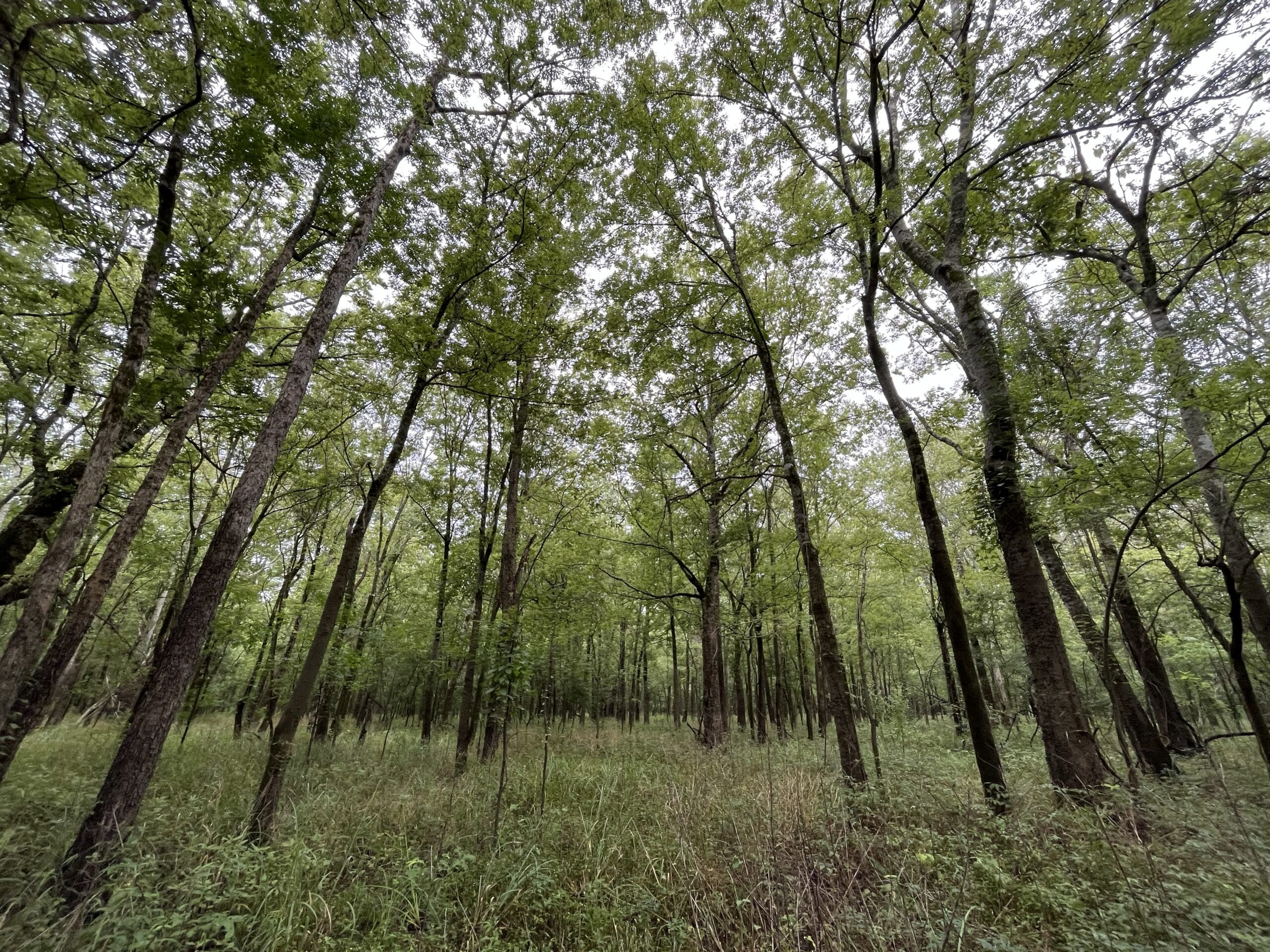
Landowner Robert Lane and his family live and own forestland in the heart of the timber basket in the U.S. southeast, a place where over half of the country’s timber volume comes from and the pressure to clear cut is real. They have owned forestland for generations and had previously been reliant on revenue from havests to keep their land legacy in place.
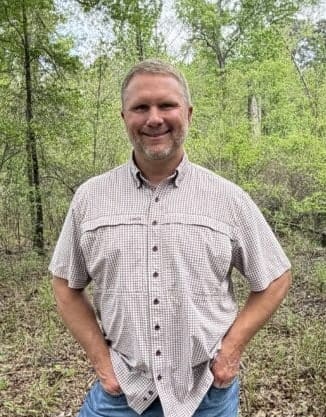
In this case study by ACR, Robert shares how he and his family learned about and utilized a tool that’s new to small landowners that promotes conservation alongside selective harvesting—forest carbon credits. Participation in NativState’s carbon program pays landowners to grow trees and restore forests instead of clear cutting.
This opportunity reflects a broader movement to manage forest resources sustainably and responsibly through verified standards and certifications like CCP and FSC, which benefit both landowners and the environment. This project not only aims to reduce carbon emissions but to also enhance biodiversity, water quality and preserve the land for generations.
NativState aggregates small landowner’s properties, like Robert’s, with others in the region to create large projects at scale. Nearly 50 landowners are participating in the 1015 project alone, and over 750 landowners have committed their lands to our program with over $20M returned to them to date through the sale of high-quality carbon credits.
We’re proud to connect local landowners to the global carbon market.
“We were constantly on the lookout with local foresters for tracts to cut because our shareholders depended on the dividends from timber to make ends meet. We no longer need to rely on clearcutting to generate income.”
-Robert Lane, Landowner
Project Summary
- 37,627 acres of forest under management on 48 aggregated properties, ranging in size from 19 acres to 6,396 acres and averaging 800 acres.
- Project developer: NativState
- Baseline: Managed pine on even-aged, 26-year rotations and hardwoods on even-aged, 75-year rotations.
- Activity: Extended rotations of 40 years for pine, with crediting deferred until trees reach merchantable ages; for hardwoods, managed for conservation, including limited selective harvest and no harvest along streams and waterways.
- ACR1015 – 1,450,608 tonnes CO2e of verified carbon emission reductions and removals credits from 2023-2025; 2.1 verified; Core Carbon Principles (CCP) labeled carbon credits; FSC certified.