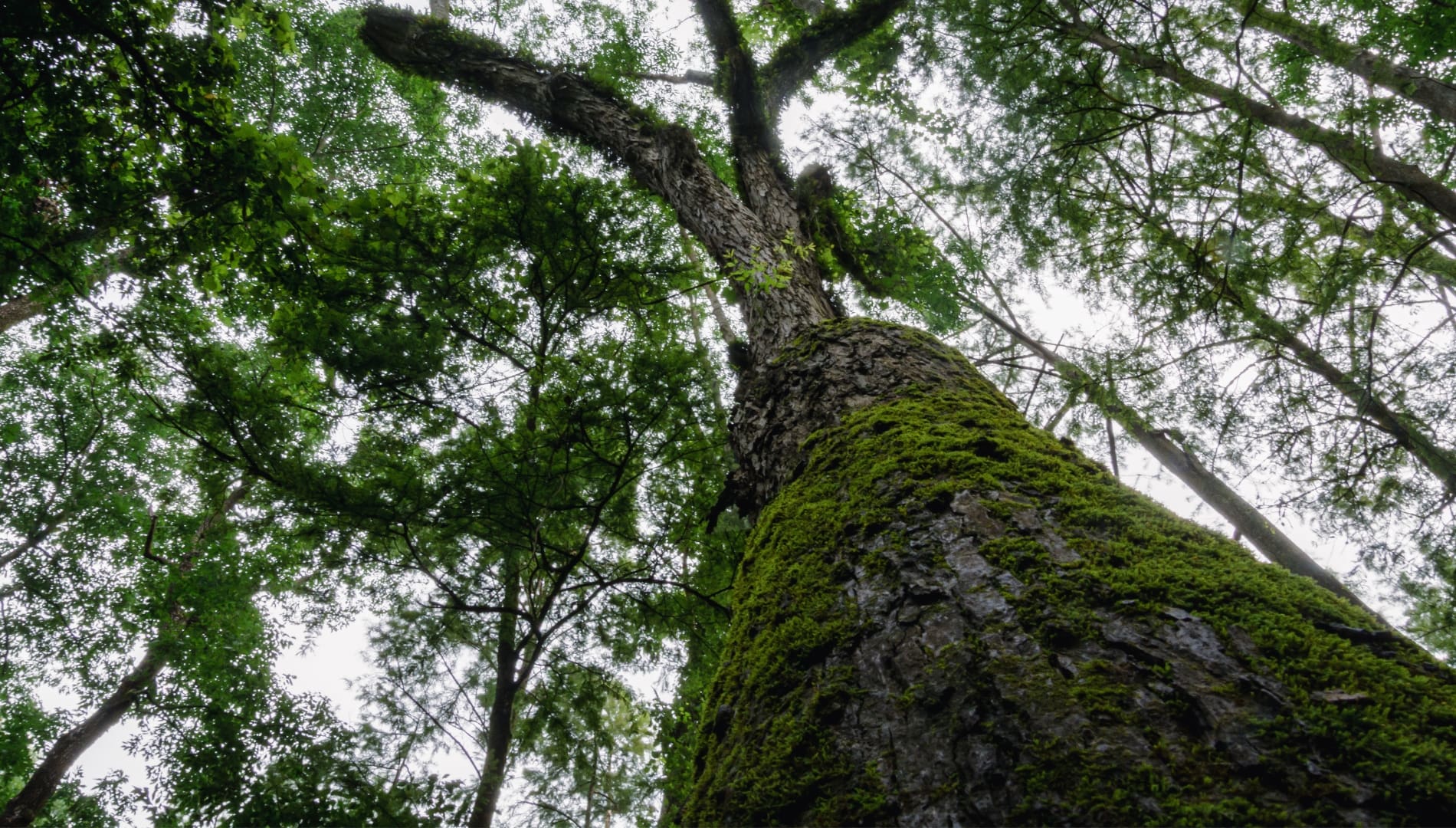
Some ecological resources take centuries to form and cannot be recreated on any practical timeline. Old-growth bottomland hardwood forest, such as the sugarberry-elm-ash forest found within NativState’s ACR 1074:Bottomland Forests of the Lower Mississippi Valley project, is one of them. They take centuries to develop — the large trees, snags, and canopy structure can’t be recreated on any management timeline once they’re gone. NativState is working to identify, document, and protect these irreplaceable landscapes and the species they support through long-term voluntary commitments. The Arkansas Natural Heritage Commission (ANHC) has been an essential partner in that work, providing information on the location and status of species of conservation concern in Arkansas through their biodiversity database.
Through the Forest Stewardship Council (FSC) certification process, properties enrolled in NativState’s forest carbon program undergo a High Conservation Value (HCV) assessment. HCV is a designation used to identify areas of exceptional ecological significance within a certified forest management unit. These places warrant a different standard of care than the working forest around them. Applying this framework across multiple Arkansas properties, our team has identified forest communities and riparian corridors that meet the threshold for two designations.
- HCV1: Globally, regionally, or nationally significant concentrations of biodiversity
- HCV3: Rare, threatened, or endangered ecosystems
None of this happens in isolation. ANHC’s records, built over decades of fieldwork and species documentation, give our biologists the baseline data needed to locate these areas with confidence, both on the ground and through GIS mapping. ANHC’s input has directly shaped how these areas are defined, buffered, and monitored.
A Case Study: Cypress Bayou Hunting Club, ACR 1074
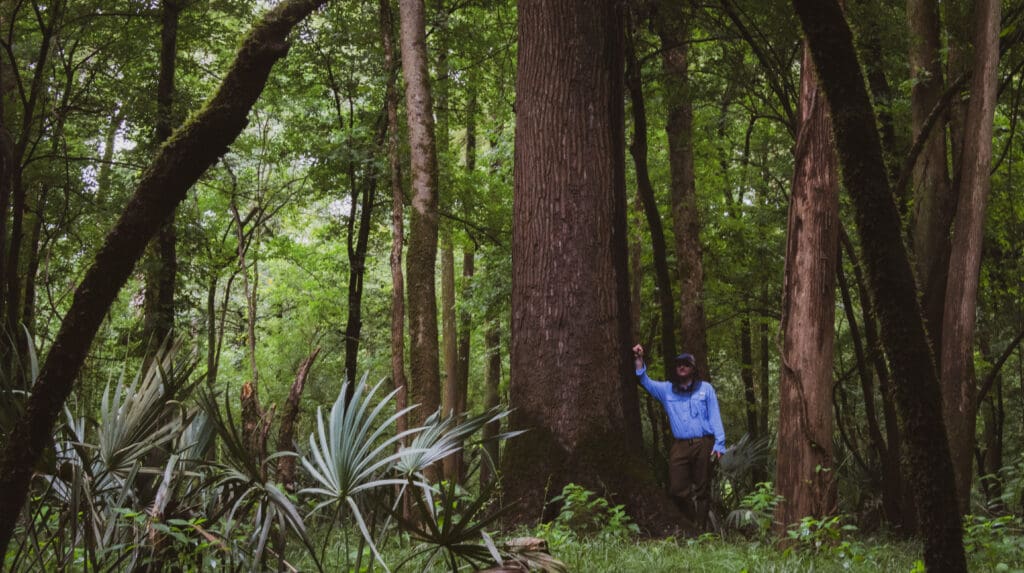
One property enrolled in NativState’s ACR 1074 project especially illustrates what this partnership produces. On land in Hempstead County, AR, owned by Cypress Bayou Hunting Club and enrolled under a 40-year carbon agreement, NativState wildlife biologist Kevin Wood led the identification of two distinct HCV areas:
- HCV1 — Little River Corridor: A 100-foot no-harvest buffer (a strip of land along the riverbank left uncut to protect water quality and the aquatic life that depends on it) protecting a reach of the Little River that supports seven aquatic species of conservation concern, including two federally listed freshwater mussels — the Ouachita Rock Pocketbook (Endangered) and the Louisiana Pigtoe (Proposed Threatened).
- HCV3 — Willow Oak Forest: Approximately 220 acres of a forest community ranked S2 (Imperiled) in Arkansas by NatureServe and documented by ANHC. This area is marked on the ground with a blazed and painted boundary line and is closed to harvest and road construction.
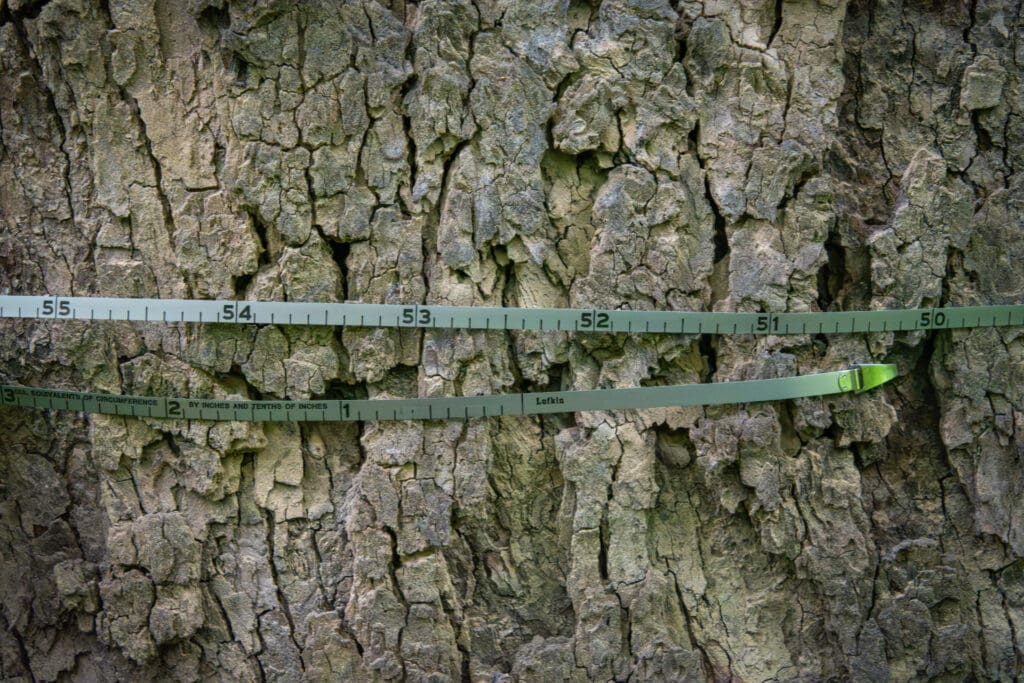
- HCV3 — Old-Growth Sugarberry-Elm-Ash Forest: Roughly 226 acres qualifying as Type 1 Old Growth under FSC standards — a forest type that has been reduced to a fraction of its historical extent across the mid-South.
Identifying Habitat for Threatened and Endangered Species
Building on this foundation, NativState is now conducting voluntary passive acoustic bat monitoring across the entire Cypress Bayou tract, including the HCV areas. The old-growth stand’s large-diameter trees, snags, and complex canopy offer high-quality habitat for bat species of conservation concern, including the federally endangered Indiana bat. Any potential detections will go through the U.S. Fish and Wildlife Service for formal confirmation, and significant findings will be shared publicly through the NABat monitoring network. That kind of open data sharing pays dividends well beyond any single project. Bat acoustic data NativState has contributed to NABat from its Arkansas monitoring has already been requested by federal and state wildlife agencies and university researchers in other states, feeding into regional range maps and species-distribution work.
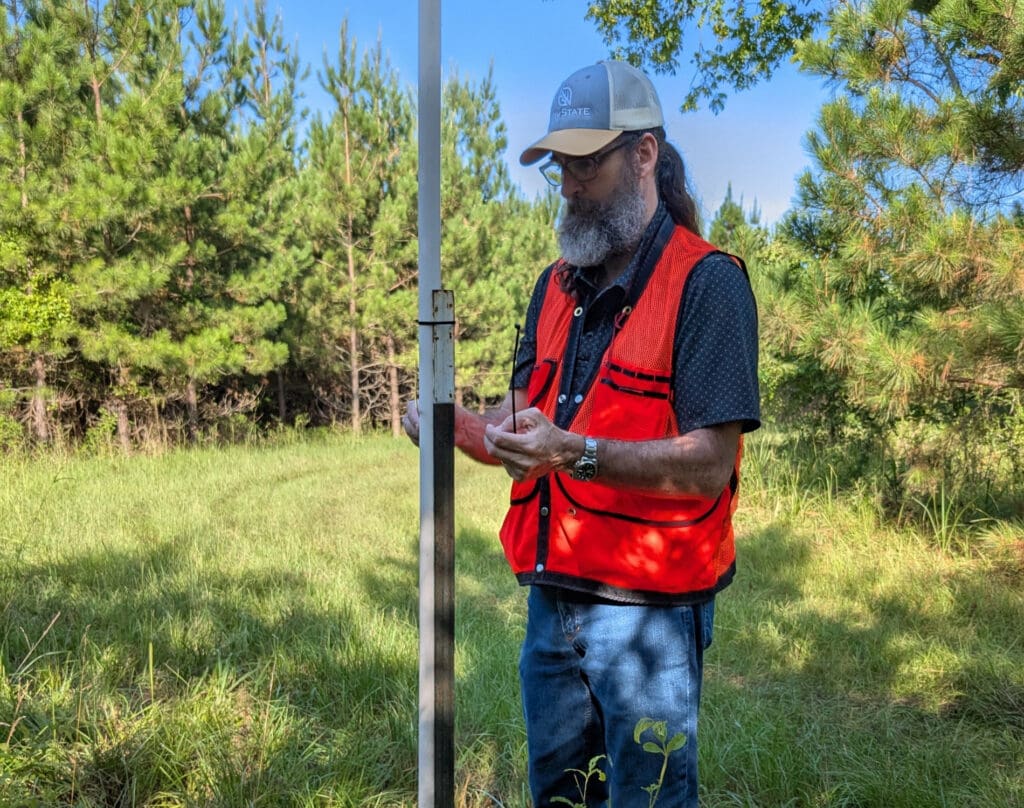
Installation of acoustic bat monitors.
Throughout this process, the landowner has been a fully engaged and supportive partner, recognizing that these designations aren’t a regulatory requirement but a voluntary commitment under FSC. On this property, the HCV areas sit in a deferred-harvest option that keeps them off-limits to harvest for the 40-year term of the carbon agreement, formally documenting what already makes their land exceptional.
Why This Matters — for ANHC, for Arkansas, and Carbon Buyers
“This collaboration extends the reach of state biodiversity data into active, on-the-ground conservation outcomes,” said Cindy Osborne, ANHC data analyst. “For Arkansas, it means some of the state’s rarest natural communities and river systems are being identified, buffered, and monitored, often on private working lands that might otherwise see no formal conservation attention at all.”
For carbon buyers and investors, the significance is just as direct.
- As project scrutiny increases, credit buyers are increasingly seeking projects that pair carbon sequestration with measurable, species-specific biodiversity outcomes.
- A project that protects an imperiled forest type, maintains a no-harvest buffer for critically endangered mussels, and proactively monitors for a federally listed bat species tells a richer story than a carbon project that simply happens to sit in a good forest. It’s a conservation project that also generates high value carbon credits, and the revenues from those credits provide real environmental and communal impact to these lands.
NativState is grateful for ANHC’s continued engagement and looks forward to extending this collaborative model to more properties across Arkansas, keeping the state’s rarest forests intact, and its rivers healthy, for generations to come. Find out more about ANHC’s database and how to request data.
You can read more about the threatened and endangered species habitat in NativState’s projects and learn about acoustic bat monitoring.